
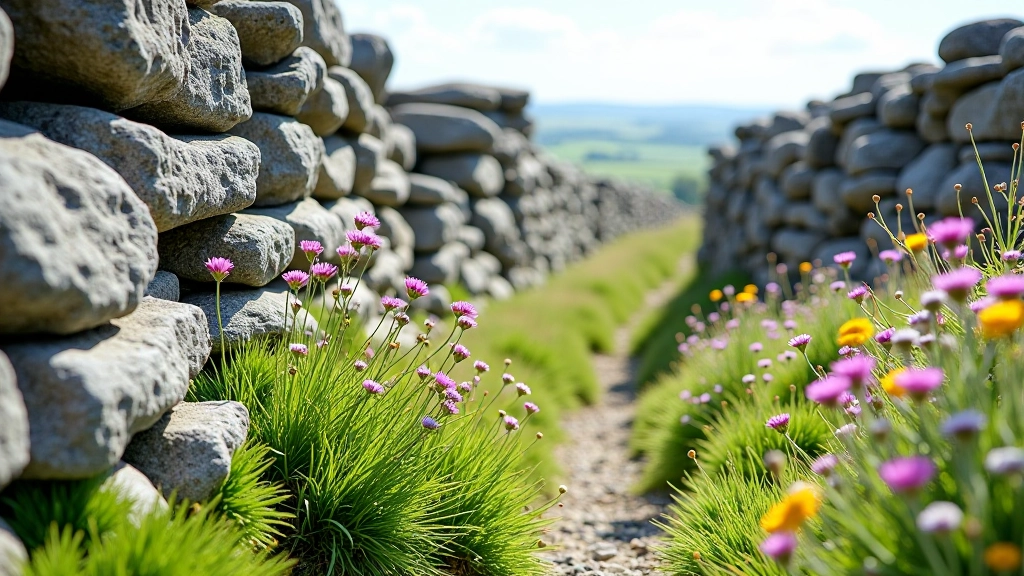
Understanding the Burren's Geology
The fascinating story of how limestone shaped this landscape. Why it looks so different from everywhere else.
What to expect on easy trails, best seasons to visit, and how to prepare for a comfortable day exploring the plateau's unique terrain.
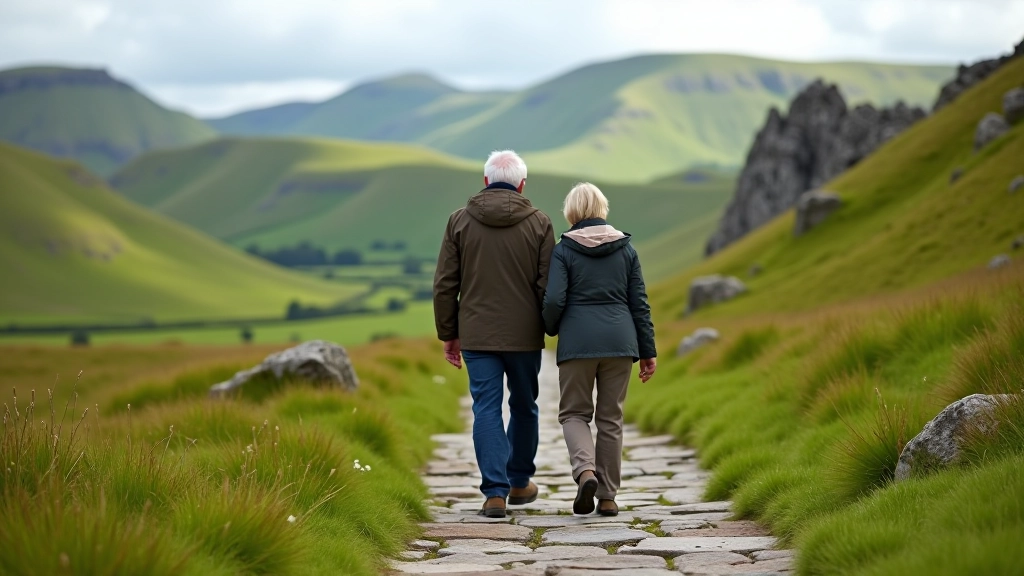
The Burren isn't like other walking destinations. It's a landscape of raw limestone, sparse vegetation, and views that stretch for miles. But here's the thing — it doesn't require serious fitness or technical skills to enjoy it. With the right preparation and realistic expectations, anyone can walk the Burren comfortably, regardless of age or experience.
We'll cover what you'll actually encounter out there, when's best to visit, what gear you genuinely need, and how to structure your first walk so you're not exhausted or disappointed.
The Burren covers about 260 square kilometers of limestone plateau in County Clare. Most of the walking you'll do is on established trails or farm tracks, not technical scrambles. The terrain varies — some sections are smooth and straightforward, others have exposed roots and loose stone underfoot.
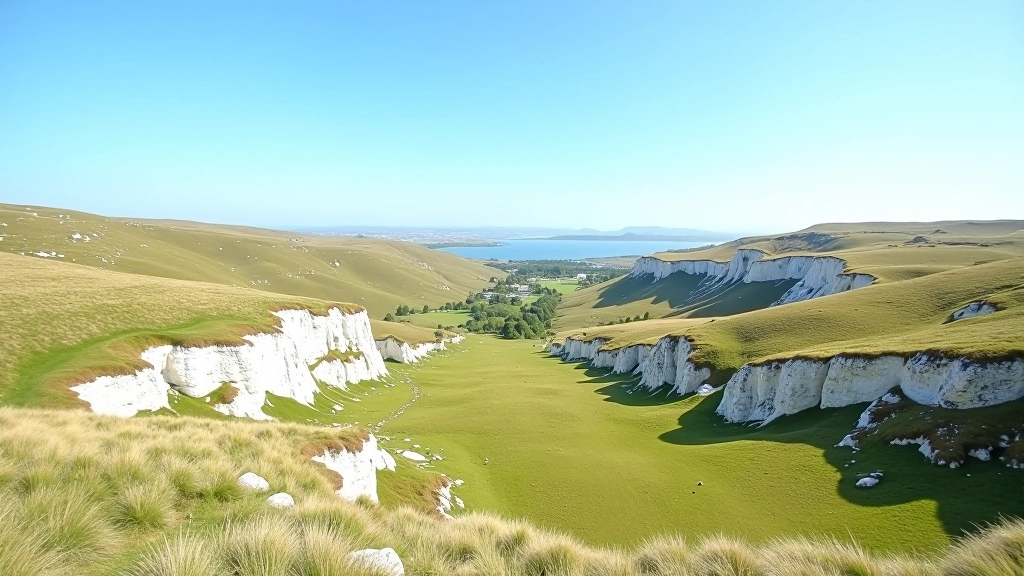
The real character of the Burren comes from the exposed limestone. You'll see bare rock faces, small cliffs, and unique fissures called grikes. The landscape feels open and windswept. There's minimal tree cover, which means views but also means you're exposed to weather. On a clear day, you can see the Aran Islands and Galway Bay. On a misty day, visibility drops fast.
Most beginner-friendly trails run 4–8 km and take 1.5 to 3 hours at a relaxed pace. That's realistic walking time, not rushing.
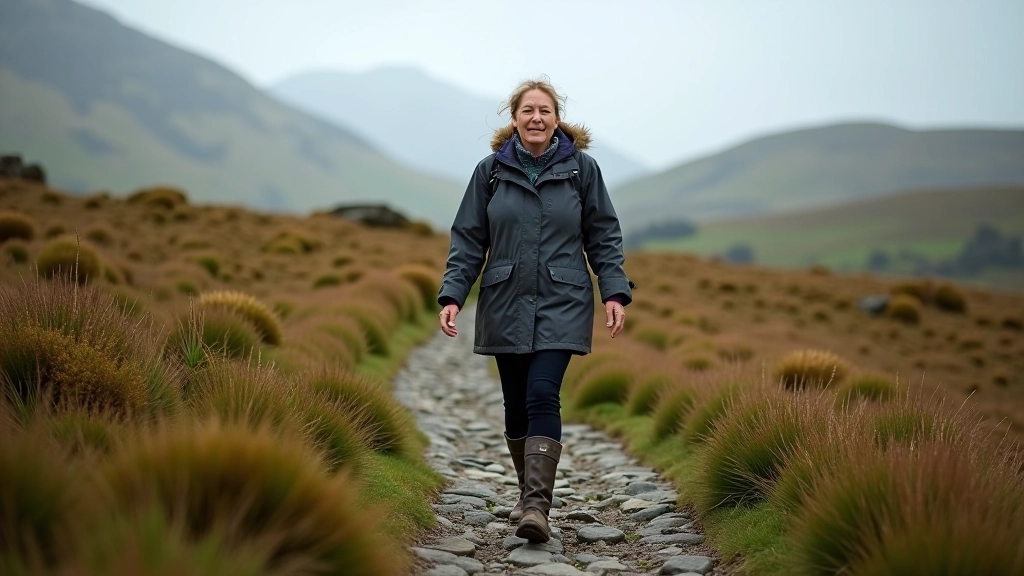
You can walk the Burren year-round, but some seasons are genuinely better than others. Late spring (May–June) and early autumn (September–October) are ideal. The weather's more predictable, temperatures are comfortable, and the light is beautiful without being scorching.
Summer (July–August) brings crowds and heat. The plateau offers almost no shade, so walking at midday isn't comfortable. Mornings and late afternoons work better. Winter's cold and wet, with frequent fog. If you go then, you'll need proper waterproofs and don't expect views. Spring's great but can be muddy in spots after rain.
This article is for informational purposes. The Burren's weather changes rapidly, and conditions vary seasonally. Always check local forecasts, wear appropriate gear, and don't hesitate to turn back if conditions deteriorate. If you have mobility concerns or health conditions, consult your doctor before walking at altitude or on uneven terrain. Walking at your own pace and knowing your limits keeps the experience safe and enjoyable.
Don't overthink gear. The essentials are straightforward, and you probably own most of them already. The mistake most people make isn't bringing too little — it's overthinking what they need.
Start with proper footwear. Your regular trainers won't work on loose limestone. You need hiking boots or trail shoes with good grip and ankle support. The terrain's rocky, and twisted ankles happen to people wearing inadequate shoes. Budget €80–150 for decent boots. They're worth it.
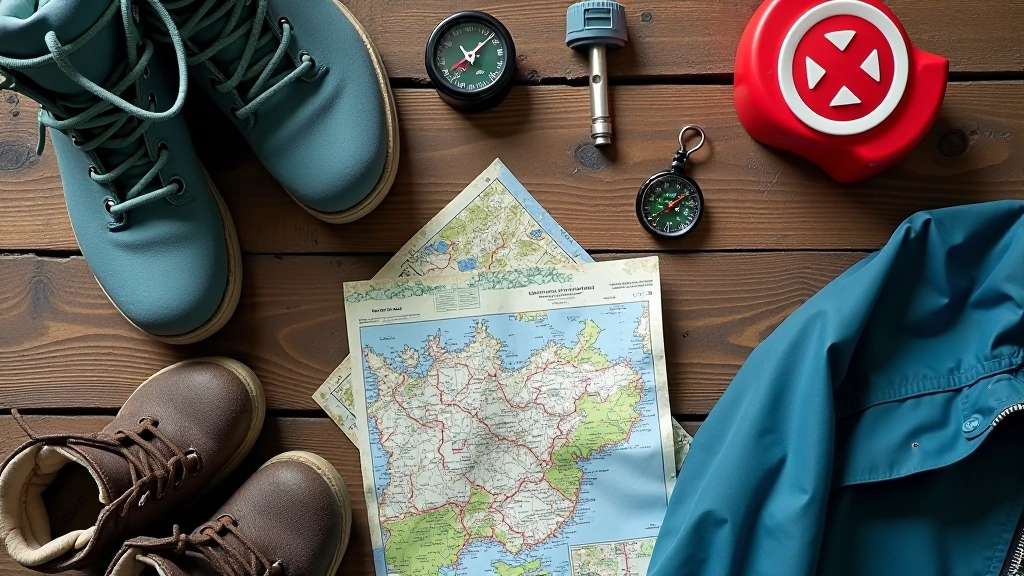
The Burren has hundreds of possible walks. Don't just head out randomly. Pick a route that matches your fitness level, download the map, and tell someone where you're going. We're talking basic safety here.
For a genuine beginner's first walk, the Caher Valley Loop is excellent. It's about 5 kilometers, mostly on farm tracks, and loops through pastoral terrain with limestone backdrop. The ascent is gradual, rest spots exist, and you can cut it short if you're tired. There's also the Mullaghmore trail near Ballyvaghan — it's steeper but spectacular, roughly 6 kilometers, and most people complete it in 2 hours.
Download the AllTrails app or use the Irish Walking Guides website. Both have real user feedback and accurate distances. Don't rely solely on word-of-mouth directions — the Burren's paths intersect, and it's easy to take a wrong turn without a map.
Leave by 9 or 10 AM. You'll avoid afternoon crowds, the light's better for photos, and you're not rushing to finish before dark. An early start also means cooler temperatures in summer.
The Burren rewards slow walking. You'll notice more — wildflowers, stone formations, wildlife. It's not a fitness test. Walking at 3–4 km per hour is perfectly fine. Take breaks when you want to.
Check the forecast that morning. If rain's coming, it arrives fast on exposed plateau. Don't ignore a warning. Waterproof jacket and pants aren't optional — they're insurance against a ruined walk.
There's no reliable water on the plateau. Bring 1.5–2 liters minimum. If you're walking with someone or on a longer route, bring more. Dehydration ruins walks faster than anything else.
Even one pole reduces stress on knees and ankles on uneven ground. It's not cheating — it's smart walking. Lightweight trekking poles cost €20–40 and last years.
Established trails exist for a reason. The Burren's limestone is fragile, and some areas are private land. Stick to marked paths. It keeps you safe and protects the landscape.

Senior Hiking & Accessibility Editor
Siobhán is a hiking specialist with 14 years' experience developing accessible trails across Ireland's karst regions, particularly the Burren.
The fascinating story of how limestone shaped this landscape. Why it looks so different from everywhere else.
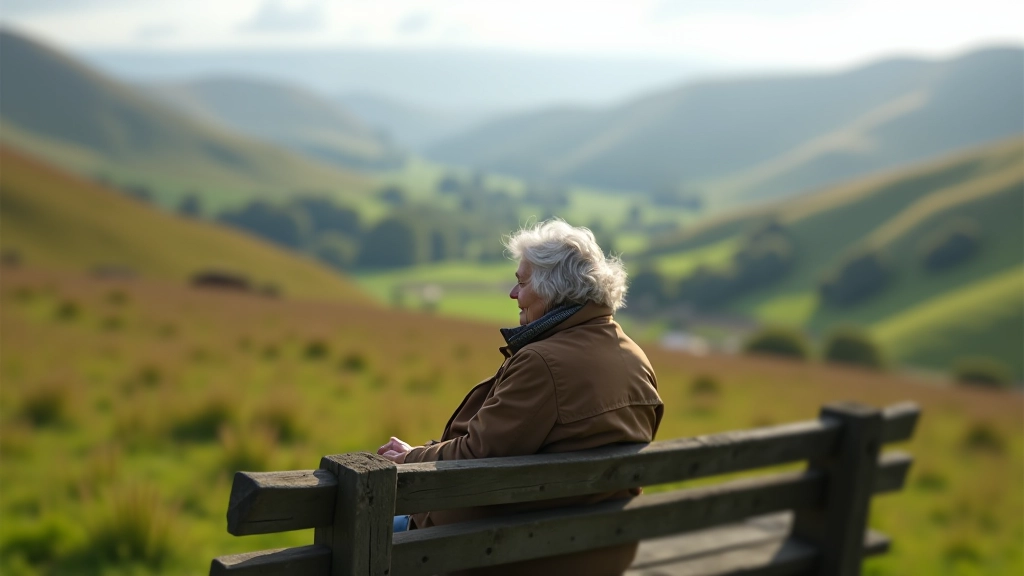
A gentle 5km circuit through peaceful terraces with rest points. It's manageable and rewarding.
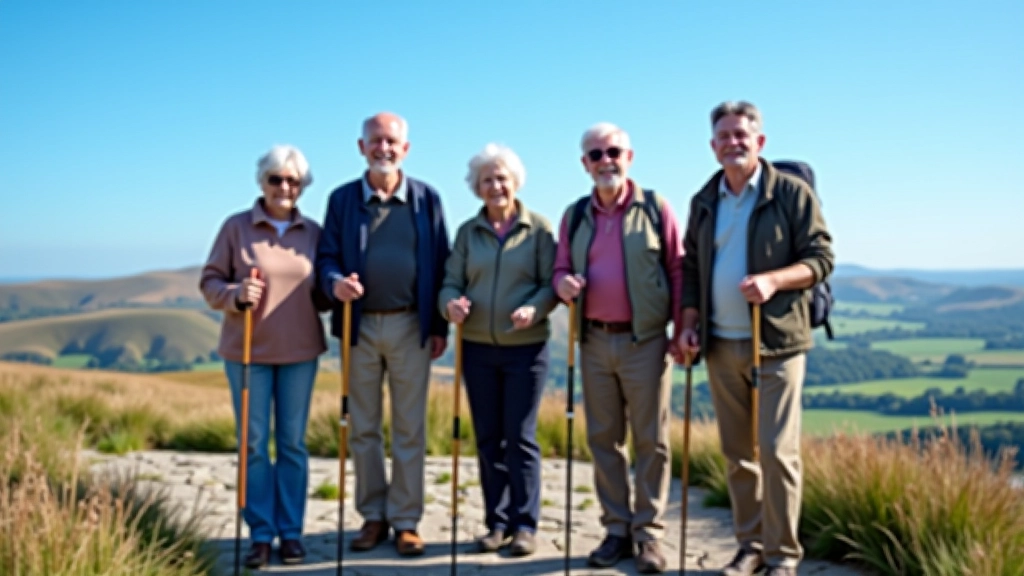
Practical advice on footwear, hydration, and navigation. What to bring, how to stay safe.